
What to Do With Photos & Documents Before an Estate Sale | North Georgia Guide
Preparing for an estate sale in North Georgia? Learn how to handle family photos, legal documents, financial records and personal papers before an estate sale in Cobb, Fulton, Cherokee, Forsyth and Pickens counties.

When families begin preparing a longtime home for an estate sale, attention naturally goes to the obvious belongings: furniture, jewelry, antiques, tools, collectibles and household goods.
But some of the most important things inside the home may have very little resale value.
Family photographs, legal documents, financial records, letters and personal papers can be irreplaceable.
And they’re often scattered throughout the house.
At Georgia Gold Estate Sales, we encourage families to think about personal records early in the estate liquidation process. You don’t necessarily need to completely clean out the house before calling an estate sale company—in fact, we generally recommend that you don’t—but personal documents deserve special attention.
For families throughout Cobb, Fulton, Cherokee, Forsyth and Pickens counties , here’s what to consider before the sale begins.
Don’t Assume Important Documents Are All in the Filing Cabinet
A filing cabinet is an obvious place to look.
Unfortunately, important paperwork rarely stays in one location after someone has lived in a home for decades.
Documents can be found inside desk drawers, nightstands, kitchen cabinets, books, boxes, closets and even old purses or briefcases.
Older generations in particular may have kept records for many years.
That means a box labeled “old papers” shouldn’t automatically go into the trash.
Take time to determine what’s actually inside.
Start With Legal and Financial Documents
Certain records should be identified and secured as early as possible.
Depending on the family’s circumstances, these may include wills, trusts, deeds, titles, insurance policies, tax records, military records, financial statements and other legal or financial paperwork.
Vehicle titles deserve particular attention if cars, motorcycles, trailers or recreational vehicles are part of the estate.
If you’re serving as executor or personal representative, consult the appropriate attorney, accountant or financial professional if you’re uncertain about which records need to be retained.
An estate sale company can help manage household contents, but decisions involving legal record-retention requirements should be made with the appropriate professional.
Protect Personal Information
Estate sales bring members of the public into the property, so documents containing sensitive information shouldn’t remain mixed among merchandise.
Check for paperwork containing Social Security numbers, banking information, account numbers, passwords, medical information and other personally identifying details.
Old checkbooks can also be overlooked.
So can expired identification cards and financial statements.
Even documents that appear outdated may contain information the family wouldn’t want available to strangers.
Separating these records before the sale is a simple precaution that can prevent problems later.
Family Photographs Need Special Attention
Photographs are among the easiest belongings to overlook during an estate transition.
They’re often stored in albums, boxes and drawers—but they can also be hidden inside books, frames and envelopes.
Before discarding photographs, consider whether extended family members might want them.
A photograph that means little to one person may be incredibly meaningful to a cousin, grandchild or sibling.
If there are thousands of photographs, you don’t necessarily have to organize every image immediately.
Sometimes the best solution is simply to secure the entire collection and sort it later.
The important thing is preventing irreplaceable family history from accidentally being discarded.
Look Inside Books Before Selling Them
Books deserve an extra check before an estate sale.
People frequently use books as temporary storage.
Photographs, greeting cards, handwritten notes, receipts, newspaper clippings and even money can end up between the pages.
Family Bibles can be particularly important because they may contain handwritten genealogical information recording births, marriages and deaths.
Before a large collection of books is sold, donated or discarded, families may want to identify volumes that have personal significance.
Letters Can Tell a Family’s Story
Old correspondence may look like another stack of paper until someone starts reading it.
Letters from military service, courtship letters, postcards and correspondence between generations can provide an extraordinary record of a family’s history.
These materials may have little traditional resale value while possessing enormous personal value.
That distinction is important during estate liquidation.
Not everything valuable belongs on a price tag.
Don’t Forget Desks, Nightstands and Kitchen Drawers
Some of the most important discoveries happen in ordinary places.
A desk may contain financial records.
A nightstand might hold jewelry or personal correspondence.
The kitchen “junk drawer” can contain keys, identification cards and miscellaneous documents.
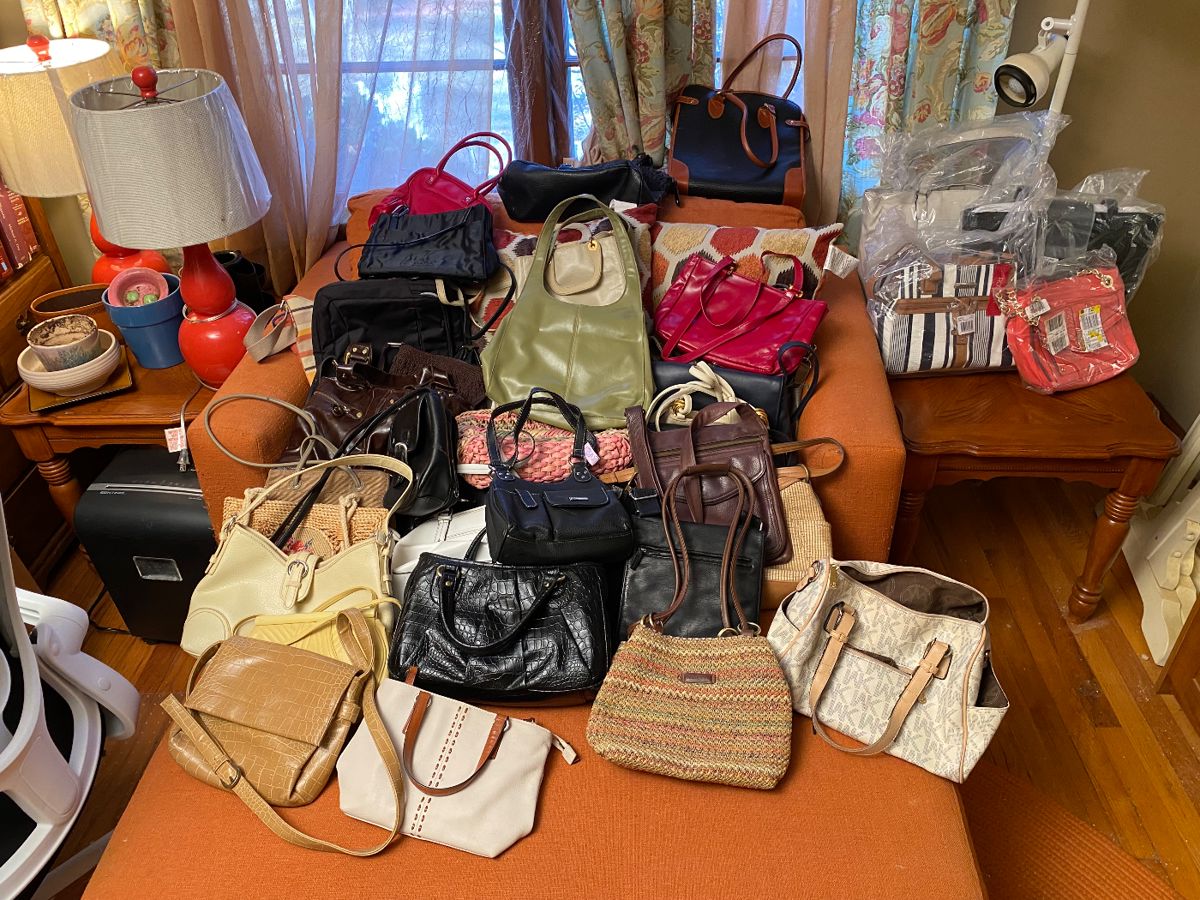
An old purse may still contain photographs or paperwork.
When a home in Marietta, Kennesaw, Canton, Woodstock, Alpharetta, Cumming or Jasper has been occupied for decades, belongings naturally migrate into unexpected places.
That’s one reason families shouldn’t assume that everything left in a drawer is automatically part of the sale.
What About Boxes in the Basement or Attic?
Boxes that haven’t been opened in 20 years can be tempting to discard.
Resist that temptation.
A box may contain ordinary paperwork, but it might also hold family photographs, military memorabilia, childhood keepsakes, vintage items or other belongings worth reviewing.
Basements, attics, garages and storage areas are particularly important in longtime North Georgia homes.
The objective isn’t to make the family sort every object before calling an estate sale company.
It’s to avoid making broad decisions—such as throwing away an entire group of boxes—without understanding what’s inside.
Create a Family “Keep” Area
Once personal belongings have been identified, separating them from sale merchandise can make the process much easier.
If possible, remove them from the property.
When that’s impractical, designate a secure area that isn’t accessible to estate sale shoppers.
This can work for photographs, documents and family keepsakes as well as furniture or other belongings that aren’t being sold.
Clear separation reduces the possibility of confusion once staging begins.
Don’t Let Paperwork Delay the Entire Estate
There’s another side to this issue.
Families sometimes believe they must completely sort 50 years of paperwork before they can even contact an estate sale company.
You don’t.
Call early.
We can evaluate the property while the family continues making decisions about personal belongings.
The important distinction is between contacting the company and opening the home to shoppers .
You can begin planning the estate sale without having every family photograph organized.
The Goal Is to Protect What Can’t Be Replaced
Furniture can be replaced.
Most household goods can be replaced.
A handwritten letter from your grandfather cannot.
Neither can the only surviving photograph of a family member.
Estate liquidation requires determining what should be sold, but it also involves recognizing what shouldn’t be.
Giving personal papers and family history a little extra attention before the sale can help ensure that meaningful belongings remain with the people who value them most.
Preparing an Estate in North Georgia? Call Georgia Gold Before You Start the Cleanout.
Georgia Gold Estate Sales provides professional estate sale and household liquidation services throughout Cobb County, Fulton County, Cherokee County, Forsyth County, Pickens County and surrounding North Georgia communities .
If you’re settling an inherited estate, helping a parent transition, downsizing a longtime home or preparing a property for sale, you don’t have to organize the entire house before contacting us.
Our full-service approach includes sorting, research-based pricing, professional staging, targeted marketing and management of the estate sale.
Let us evaluate the property before large amounts of household contents are discarded or donated.
Georgia Gold Estate Sales
Phone:
(678) 463-4052
Email:
georgiagoldes@gmail.com
Website:
GeorgiaGoldEstateSales.com
Contact Georgia Gold Estate Sales today to discuss your property and estate liquidation needs throughout North Georgia.
Georgia Gold Estate Sales — Estate Sales Handled with Care, Integrity, and Gold-Standard Service.